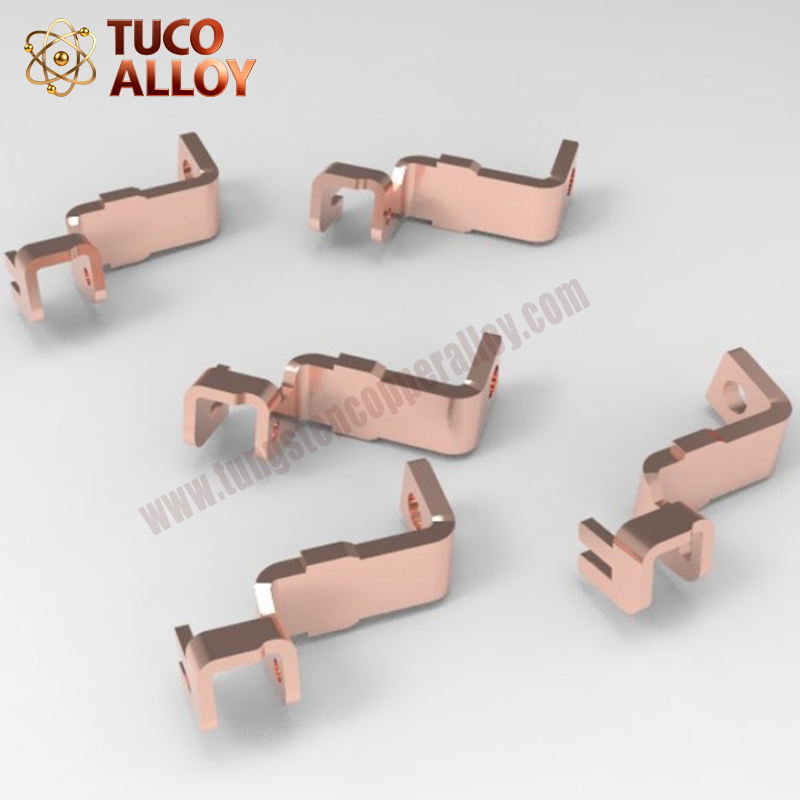
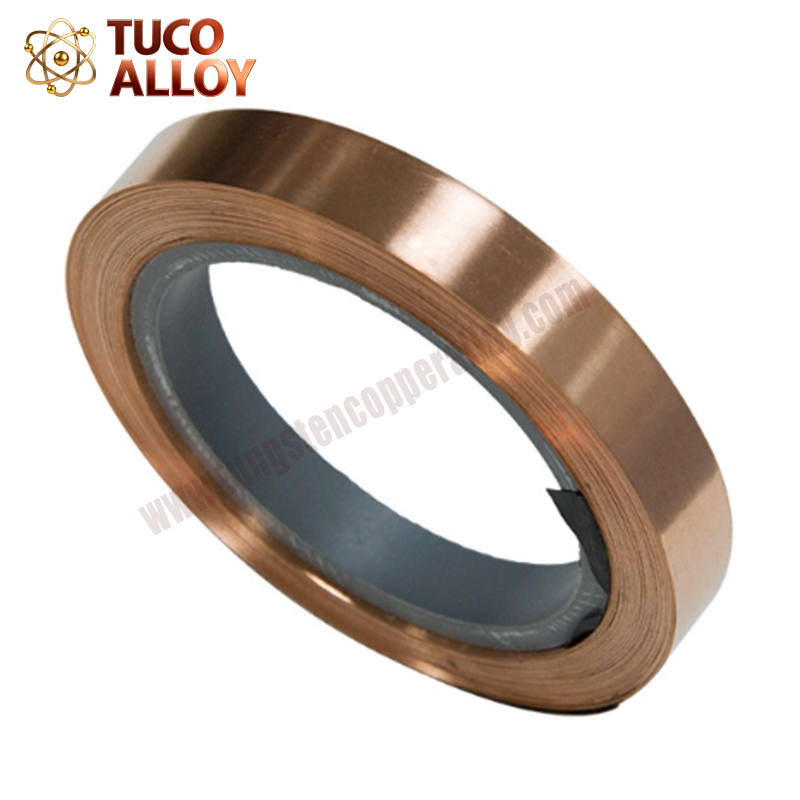
Copper Electrode Sheet
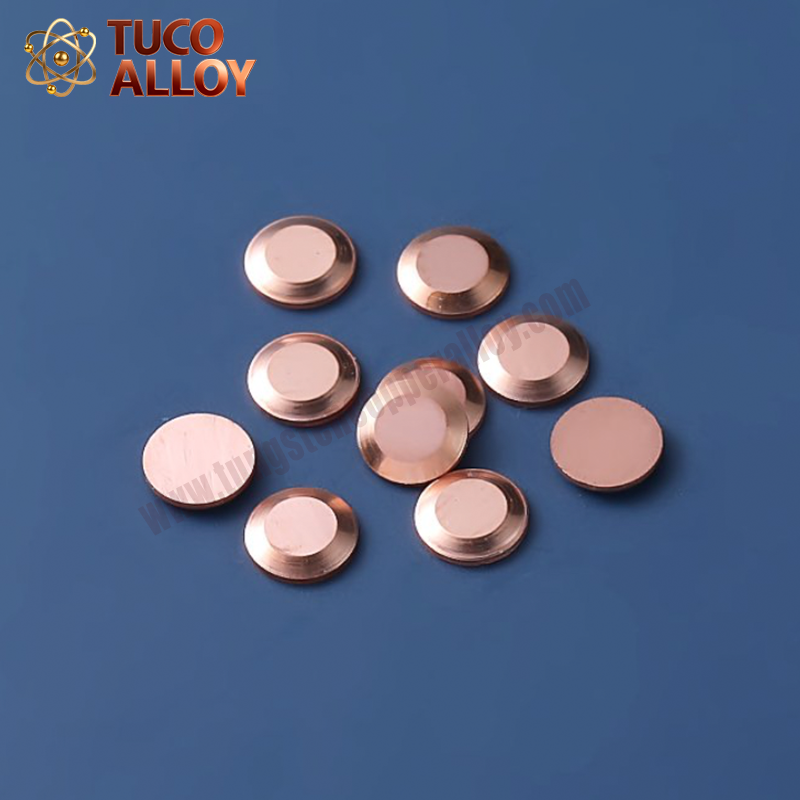
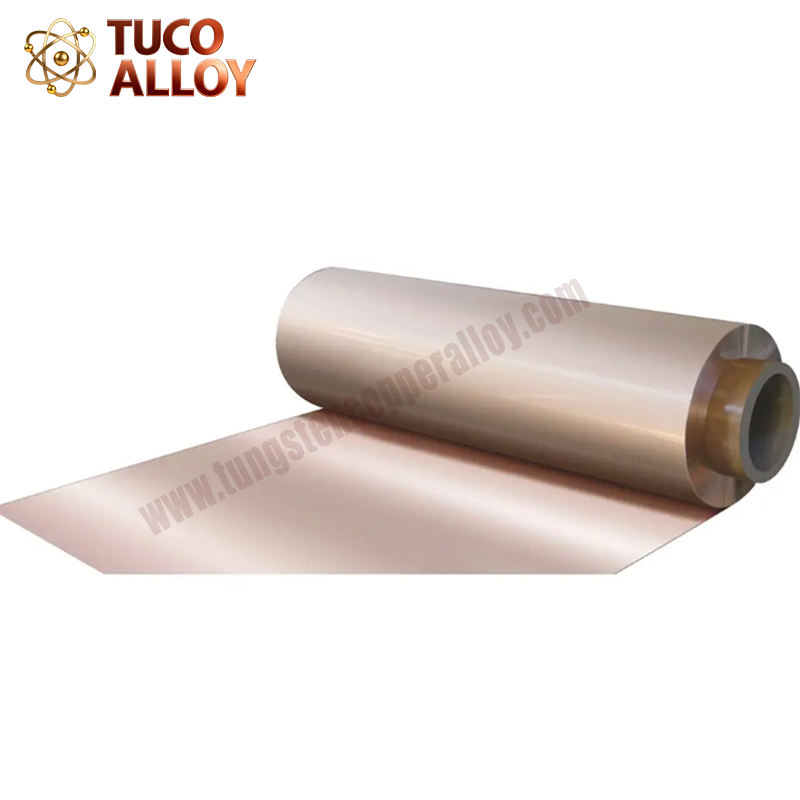
Copper electrode sheets, as the name itself suggests, are sheets of copper that are then cut into different shapes. These sheets are used to provide electrical conductivity and are also used to perform some chemical reactions in certain systems. As the sheets are made from copper, they provide strong electrical conductivity and chemical resistance, and they bring corrosion resistance and the conductivity associated with the microstructure of the copper, which is the individual copper grains.
Copper electrode sheets are used overwhelmingly in electrochemistry as a key part of reference electrodes. This can be illustrated with the copper sulfate reference electrode: a copper electrode that is combined with a saturated solution of copper sulfate, which is then used to measure a potential of approximately +0.316 V against the standard hydrogen electrode. This potential is used to monitor cathodic protection systems and is particularly used to monitor the corrosion of buried structures such as pipelines and storage tanks.
Copper electrode sheets are also used in industrial electrical applications for high-voltage or high-frequency equipment. Their surface electrodes in medium frequency electrotherapy and also in other applications are due to their hardness, toughness, and good conductivity.