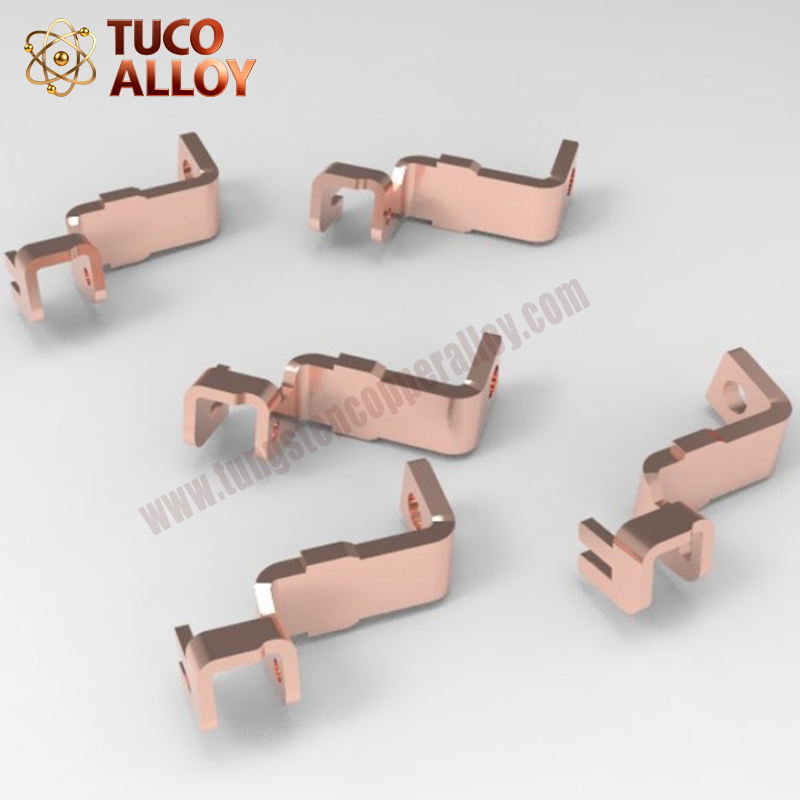
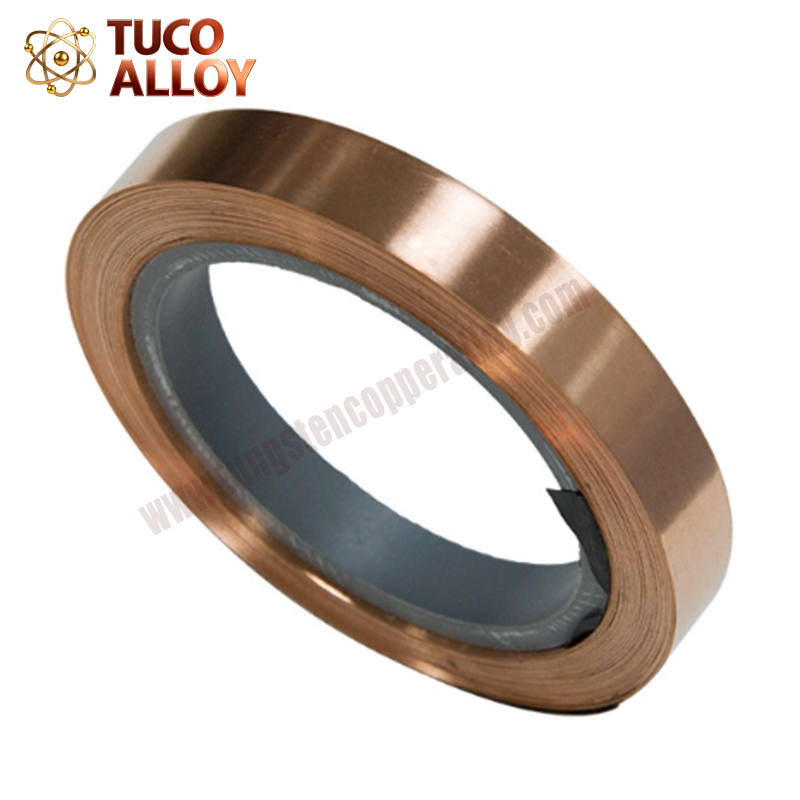
Copper Busbars and Copper Sheets For EV
In electric vehicles, copper busbars and copper sheets are essential parts of power transmission, mainly for conductive connections in battery packs, motor drive systems, and power distribution units. Because of high power density, compact design, and reliability, electric vehicles require busbars and sheets in specialized forms, such as rigid copper busbars, flexible copper busbars, or laminated copper busbars. These components optimize current carrying capacity, heat dissipation, and space. When compared to industrial copper busbars, copper sheets and busbars in electric vehicles are designed with a greater focus on low weight, flexibility, and vibration resistance.
Core Types of Copper Busbars and Copper Sheets for EVs
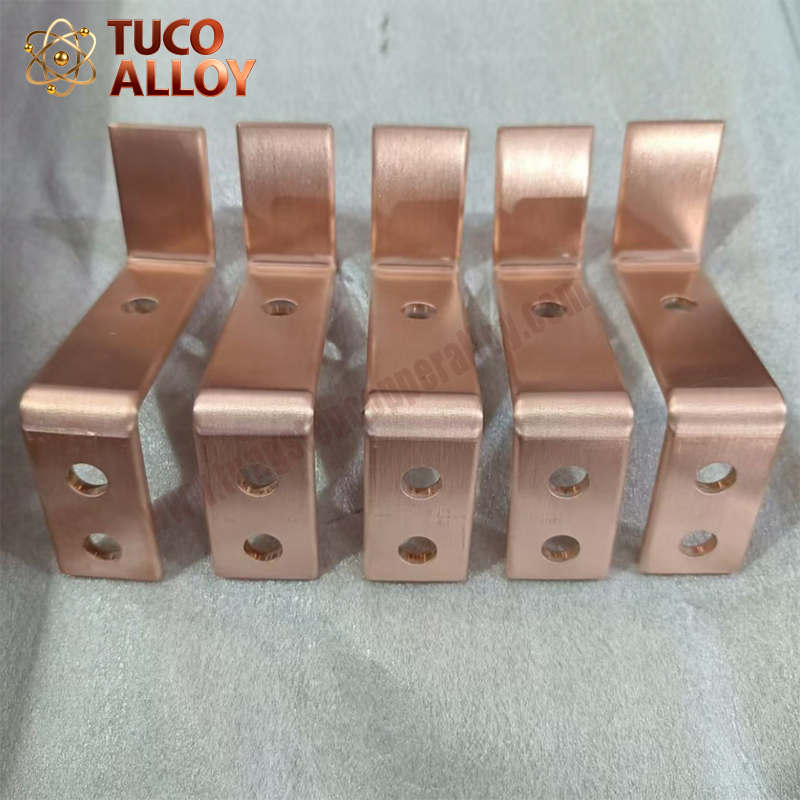
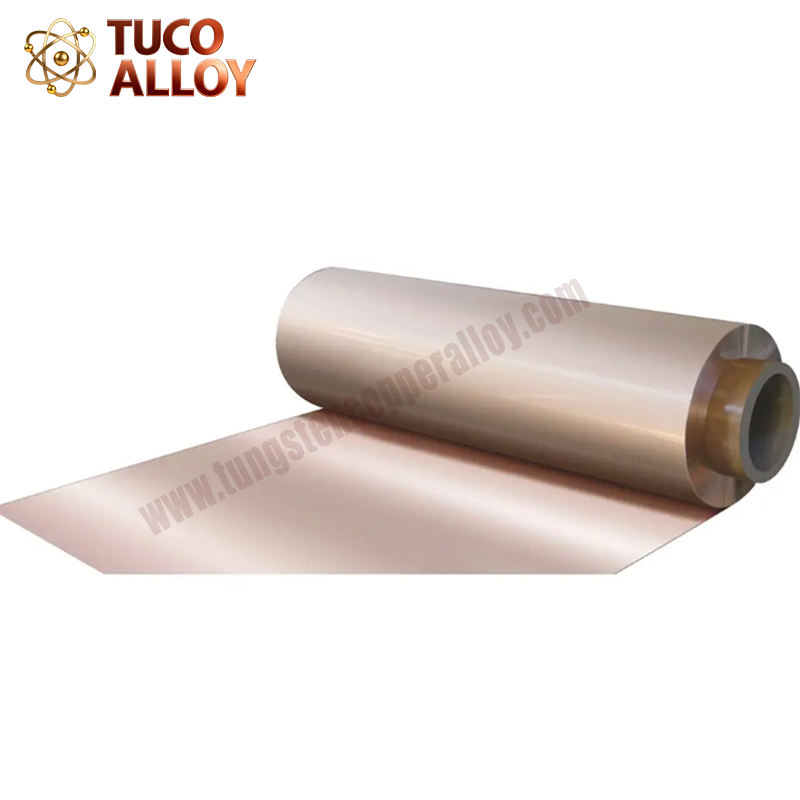
Electric vehicles utilize a variety of copper sheets and busbars, including rigid and flexible busbars and laminated busbars. Rigid copper busbars are typically made of hard-drawn copper, which has considerable mechanical strength and rigidity. This type of busbar is typically made for fixed-position layouts and is suited for high-current applications. However, because of their rigidity, they require high spatial precision during installation. In contrast, flexible copper busbars have designs that incorporate several layers of thin copper foil that is wrapped in an insulating sheath that is flexible. This design allows flexible busbars to bend, twist, and fold. This busbar type is designed for complicated layouts within confined spaces, such as battery packs, and provides easy assembly, as well as mechanical vibration dampening. Unlike flexible busbars, laminated copper busbars have multiple layers of copper foil bonded using a polymer diffusion welding technique. This provides a structure that has flexible cores and rigid ends. This type of busbar is made to withstand vibrations while maintaining good connectivity, making it well-suited for the power distribution systems in new energy vehicles.