Types and Application Scenarios of Commonly Used Copper Materials
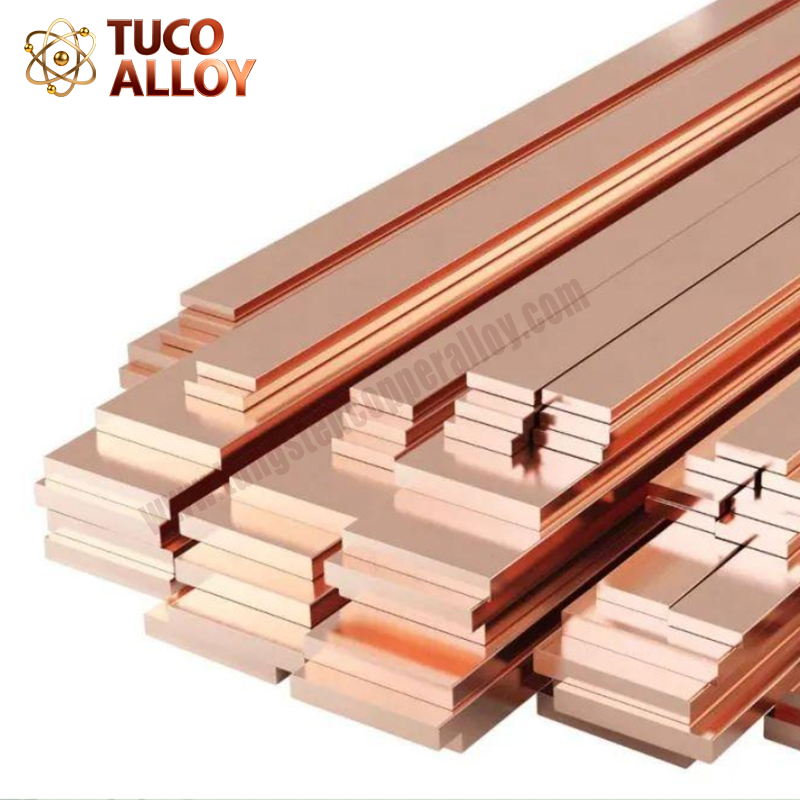
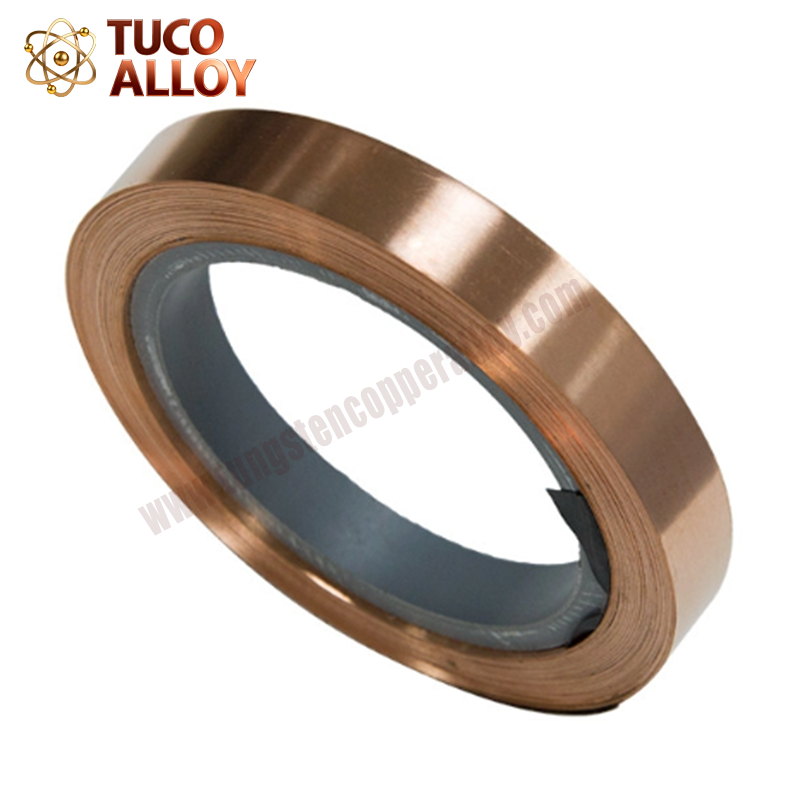
1. Copper (Pure Copper): Often referred to as "red copper" due to its purplish-red hue, this is essentially pure copper. Common grades include T2 and T3. T2 copper has a copper content of over 99.90%, while T3 copper contains at least 99.7% copper, with a slightly higher level of impurities than T2. T2 is recommended for applications requiring high electrical conductivity, whereas T3 is suitable for cases where lower conductivity is acceptable but higher strength and lower cost are required.
2. Oxygen-Free Copper: Typically containing over 99.95% copper with an extremely low oxygen content—generally no more than 0.003%—this material boasts higher purity and a higher price point than standard copper. It has a brighter appearance and exhibits a distinct metallic luster when reflecting light. Common applications include signal and data transmission cables, semiconductor chips, aerospace components, transformer induction coils, and other high-precision instruments or critical, high-performance components.
3. Brass: Brass is a binary alloy of copper and zinc, valued for its excellent mechanical properties, corrosion resistance, and workability. Common grades include H59 and H62, where the numbers 59 and 62 indicate a copper content of approximately 59% and 62%, respectively. Typical applications for brass include hexagonal standoffs for securing PCBs, bolts for power distribution cabinets, valves, and pipe fittings.
4. Nickel Silver (Cupronickel/German Silver): This is an alloy composed of copper, nickel, and zinc. Common grades include C7521, C7541, and C7701. For instance, C7521 consists of approximately 64% copper, 18% nickel, and 18% zinc. Nickel silver is frequently used for shielding covers in electronic devices.
5. Tin Bronze: This is a type of bronze in which tin serves as the primary alloying element, with a tin content typically ranging from 3% to 14%. It is commonly used to manufacture various wear-resistant components (such as bushings and worm gears), electrical contacts, and corrosion-resistant parts for marine applications (such as propellers and valves).
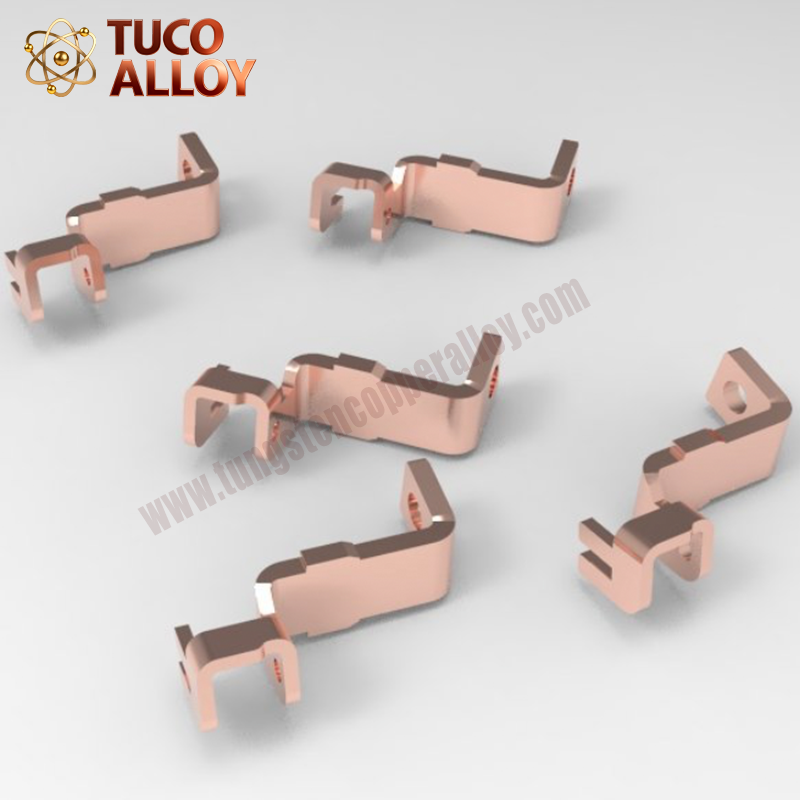
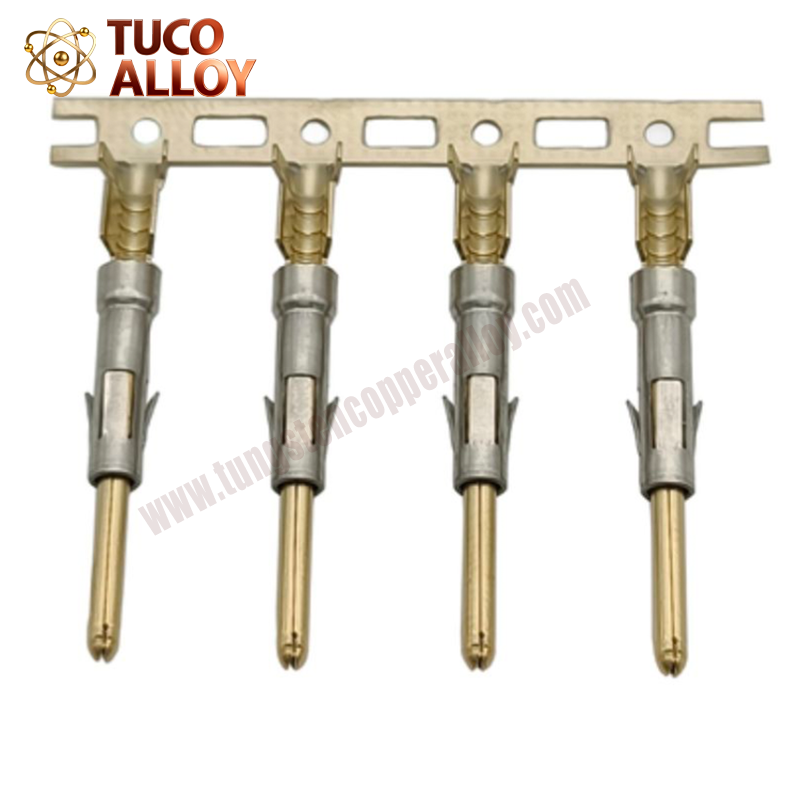
5. Beryllium Copper: Beryllium copper is a copper alloy containing beryllium—typically in a concentration of 1.7% to 2.5%—characterized by high strength, high electrical conductivity, and high hardness. It is frequently used in applications such as connectors, plugs/sockets, and probes.