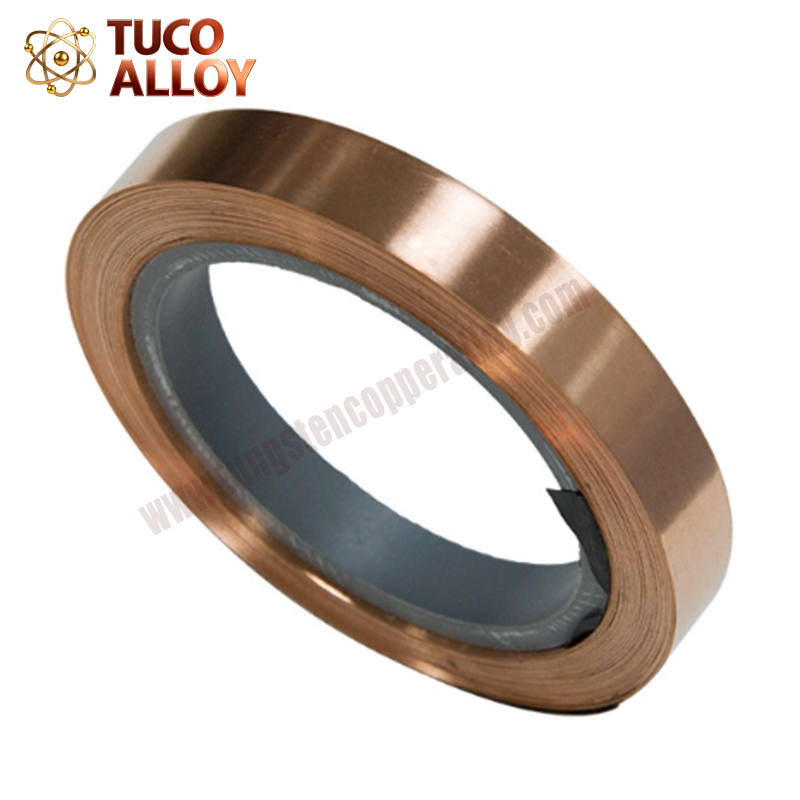
Tungsten Copper Seam Welding Electrode Wheel
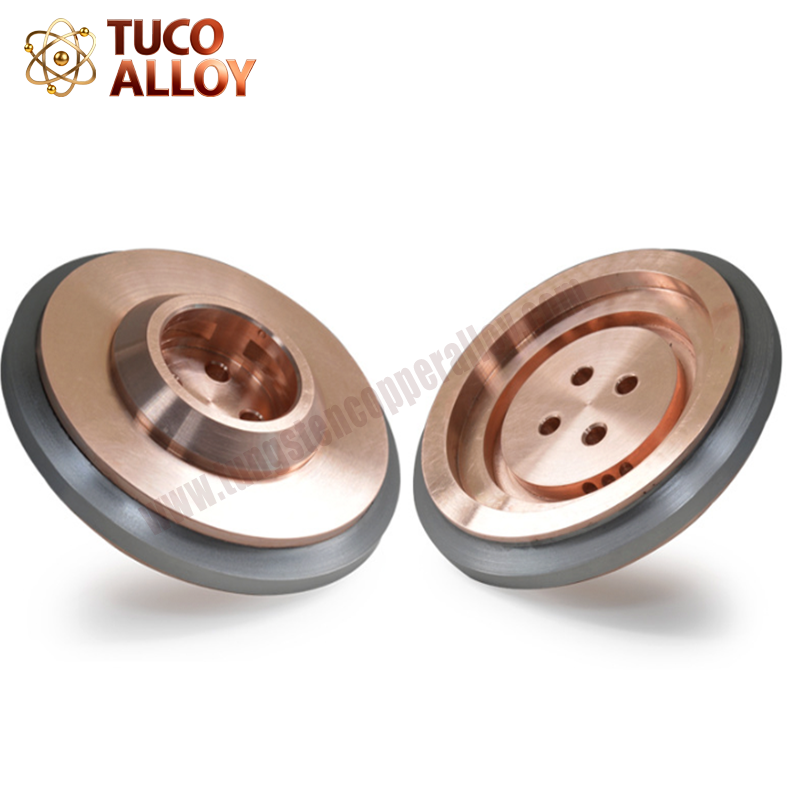
Tungsten Copper Seam Welding Electrode Wheel is an electrode material commonly used in the seam welding process. Seam welding is one type of resistance welding. The workpieces constituting an overlap or butt joint are placed between roller electrode pairs. The rotating electrodes apply pressure to the weldment, and when energised, form a weld seam continuously or intermittently. This process is termed continuous seam welding.
Seam welding is a method of welding where, instead of spot welding’s cylindrical electrodes, a pair of roller disk electrodes is used. The electrodes also move relative to the workpiece, simultaneously exposing it to a sealed weld with overlapping nuggets.
Joints that require sealing and, in some cases, non-sealing sheet metal parts are joined using seam welding. The metal material’s thickness to be welded is typically between 0.1 to 2.5mm. Seam welding is used to weld the thin plates of oil drums, cans, radiators, aircraft, and automobile fuel tanks. It is also used in sealed containers of jet engines, rockets, missiles, and various other applications.
Specifications of Tungsten Copper Seam Welding Electrode Wheel
Material | W60Cu40, W75Cu25, W80Cu20 |
Technique | Forging, Sintering, Annealing, Rolling, HIP, Machining, and Injection Moulding process |
Outer Diameter | 50-175mm |
Inner Diameter | 10-65mm |
Height | 5-40mm |
Conductivity (IACS) | 32-42% |
Density | 14.75g/cm3 |
Surface | Polished, Bright, Chemical Cleaning, etc. |
Standard | ASTM, GB, JIS |
Certification | ISO9001 |