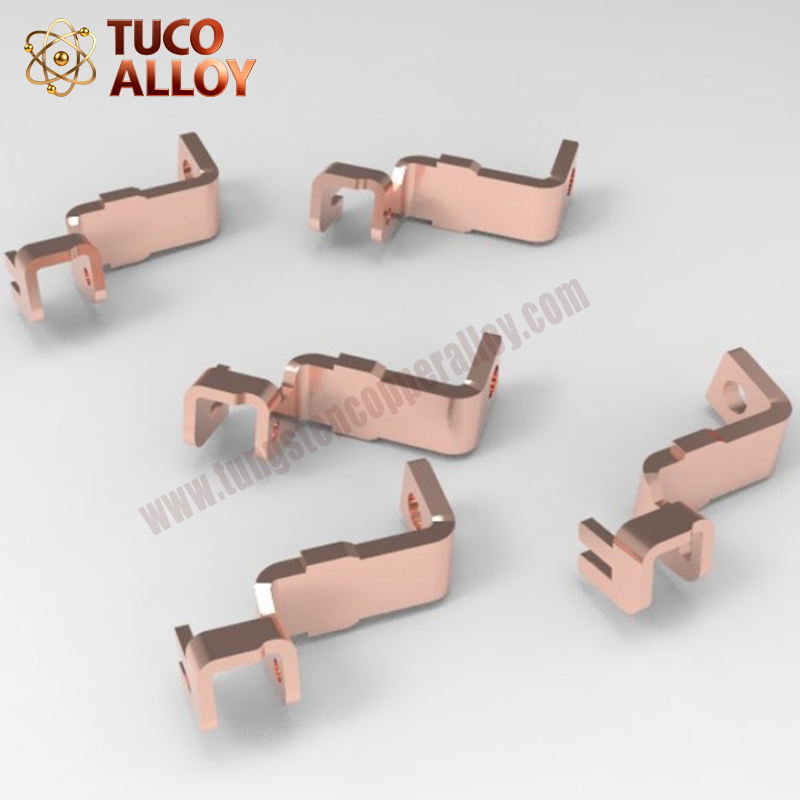
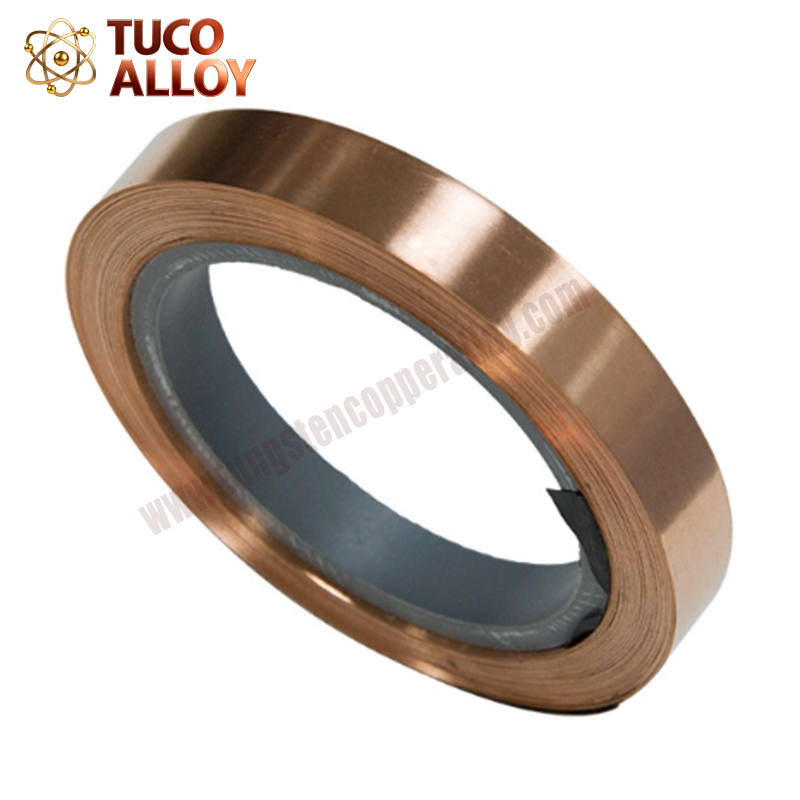
Superconducting Tellurium Copper Connector Pins
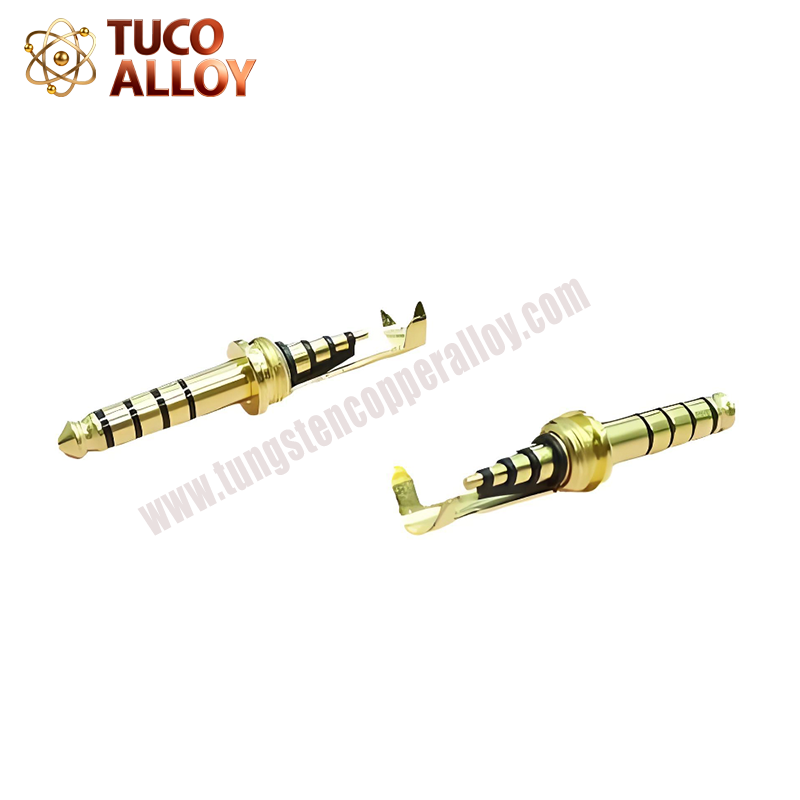
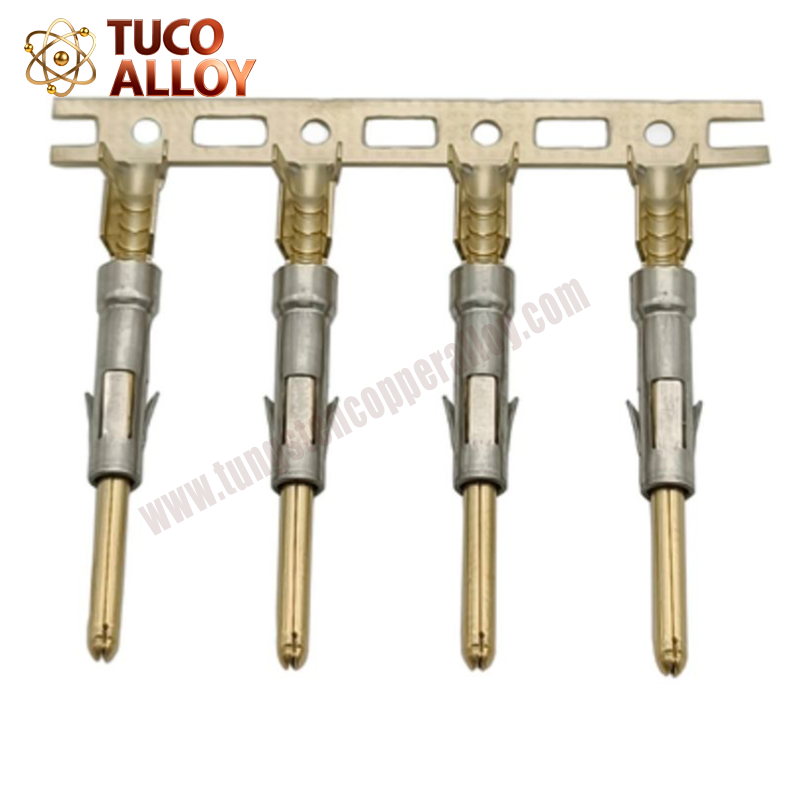
With a thermal conductivity of around 355 W/(K·m) and electrical conductivity at 90% IACS of pure copper, Tellurium copper alloys help broaden the horizons of materials available to electrical engineers, computer scientists, and technologists. Their mechanical properties are also commendable. With a tensile strength of 350-450 MPa, yield strength over 200 MPa, and 9–12% elongation, they also feature a hallmark of engineering materials: a hardness of 110–140 HB. Their outstanding high-temperature mechanical properties (up to 300°C) also set them apart. These high-strength alloys are also resistant to softening. Tellurium copper alloys feature high conductivity, corrosion resistance, and arc resistance. This is why these alloys are extensively used in high-current applications such as new energy vehicles and electrical contacts. In the case of connector pins and sockets used in new energy vehicles, they have a mating cycle life of more than 10,000 cycles and pass 96 hours of salt spray testing. Surface enhancements of gold, silver, or nickel plating are added to improve corrosion resistance and conductivity. It is because of these properties that tellurium copper is in massive demand as intermediate connectors in 5G systems and electric vehicles.