CuAl2O3 Electrode Cap
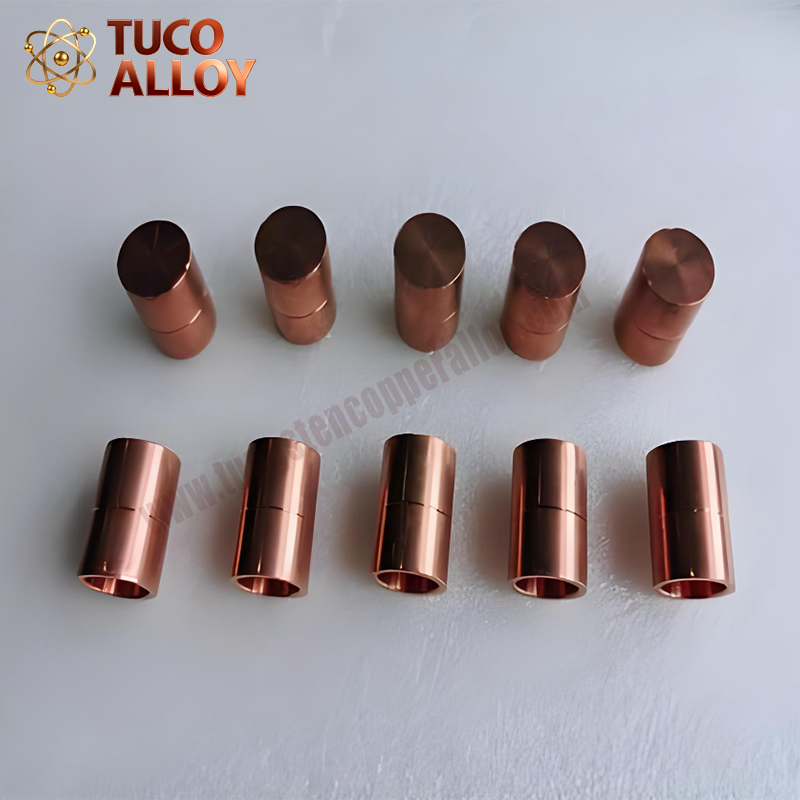
The core performance characteristics of CuAl2O3 Electrode Caps include: a softening temperature of ≥900℃ (up to 930℃, significantly higher than ordinary copper alloys such as chromium-zirconium copper, but lower than tungsten-copper alloys), ensuring structural stability at high temperatures; electrical conductivity of ≥85% IACS, with thermal conductivity between pure copper and tungsten-copper, providing excellent heat dissipation; hardness exceeding HRB 84 (e.g., C15760 grade reaches 85 HRB), tensile strength up to 620 MPa, and good fatigue and wear resistance. Its dispersion strengthening mechanism stems from the thermal stability of alumina particles, which maintain a small inter-particle spacing (50-100 nanometers) even near the melting point of copper, effectively inhibiting matrix softening.
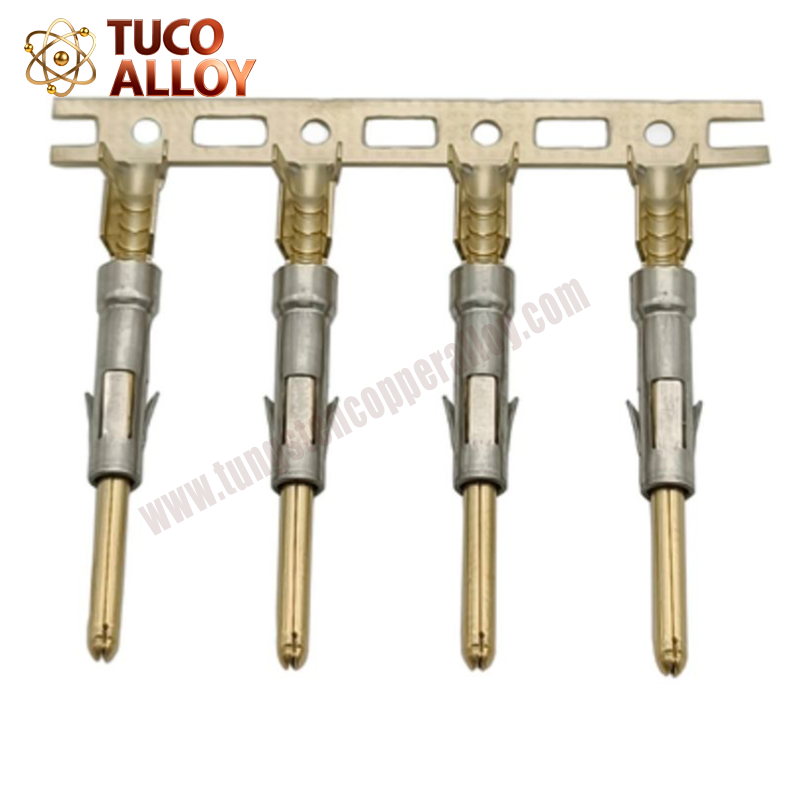
These electrode caps are widely used in resistance welding applications, such as spot welding of galvanized steel plates, nickel-plated plates, nickel strips, aluminum alloys, stainless steel, and brass. They resist electrode sticking during welding, extending electrode life by more than 5 times compared to ordinary chromium-zirconium copper, reducing downtime for maintenance, and improving the efficiency of automated production lines. Typical applications include electrode tips, conductive nozzles, vacuum switch contacts, and electrical connectors in automotive, home appliance, and container manufacturing.